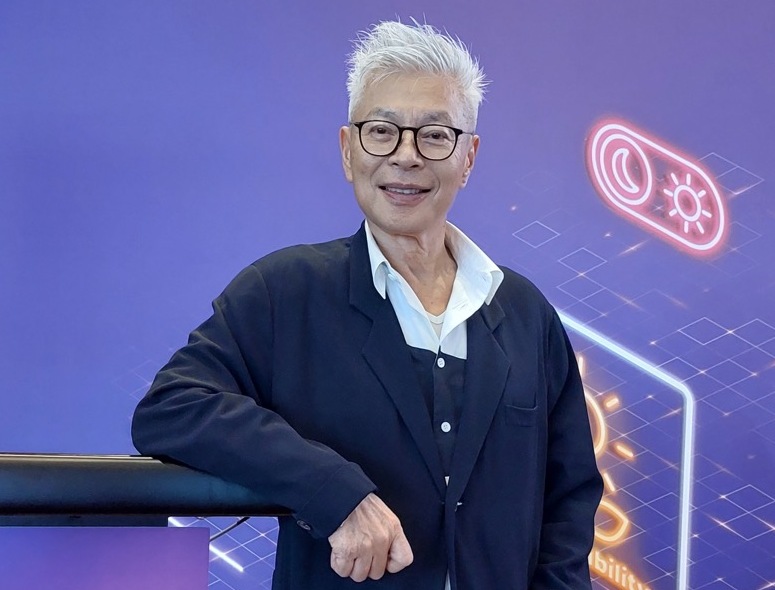
Indonesia Design spoke to renowned lighting designer Tino Kwan during the 2025 Autumn International Lighting Fair in Hong Kong on October 28, 2025, where Kwan also appeared as a guest speaker. His decades-long career has shaped luxury hotels, residences, and iconic spaces across Asia, guided by a philosophy that sees lighting as the soul of interior design.
What first drew you into lighting design?
I studied industrial design at Hong Kong PolyU and initially planned to become a product designer. But after working briefly in interior and furniture design, I joined an American lighting design firm. That was when I discovered that lighting isn’t just about fixtures. It’s about shaping space, atmosphere, and experience. That realisation changed my path.
How do you define sustainability in lighting today?
People often associate sustainability with materials or equipment, but to me it begins with the design. Using only the essential number of lighting fixtures is already a sustainable approach. When the concept is thoughtful, environmental considerations. It’s like recycled materials and efficient products, which naturally follow.
What is the ideal relationship between lighting and interior design?
Lighting should never be separate from the interior. It must be integrated from the start so both become one cohesive expression. When lighting is added only at the end, the space loses its harmony.
How do you collaborate with interior designers whilst maintaining your lighting vision?
I respect their creativity, especially when it comes to decorative lighting that complements furniture and style. But for atmosphere and spatial quality, I usually guide the direction. My role is to advise how light can bring the space to life. And most of the time, designers trust the process.
Your advice for young lighting designers?
There are few places to learn lighting creatively, so the world becomes your classroom. Pay attention to lighting everywhere you go and store those impressions—good and bad—as your personal library. Look, observe, remember. That is how you build intuition and craft.